When a Brand Becomes the Default: How Marketing Shapes What People Consider Normal

Think about this for a second. When you think of noodles, what’s the first brand that comes to mind?
For most Nigerians, it’s Indomie. In fact, people rarely say they want to buy noodles. They say they want to buy Indomie, even when they might be referring to another brand entirely. Even in Nigerian stores, it’s common to hear someone ask for “Omo,” when what they really mean is detergent.
The same thing happens in other parts of the world. People say Band-Aid when they mean bandages, and babies don’t just wear diapers, many people call them Pampers. So why does this happen?
When Brands Stop Being Options
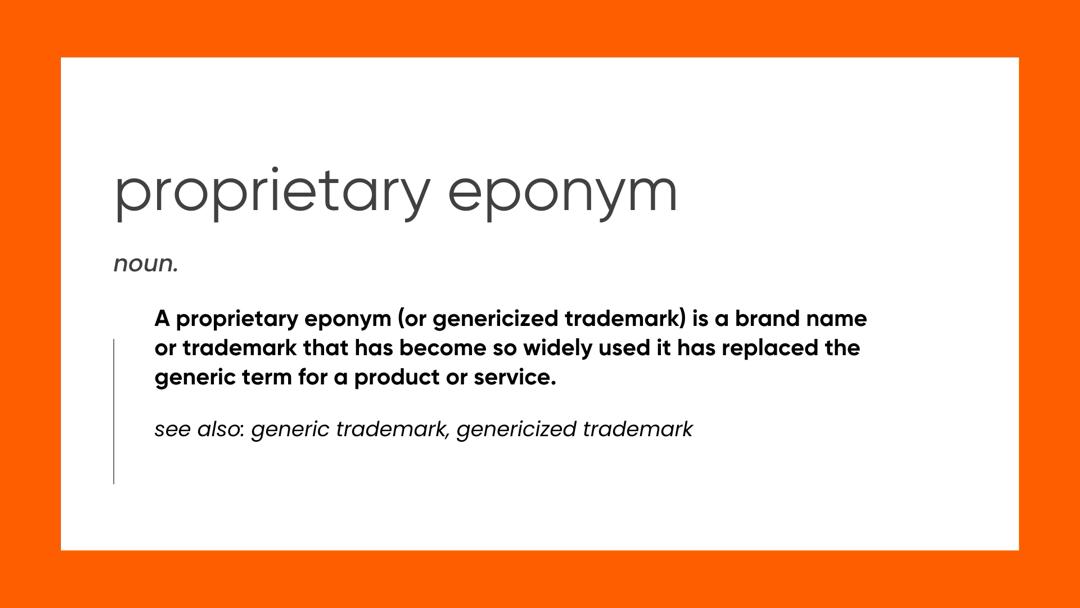
Sometimes, a brand becomes so dominant that it starts to represent the entire category. It stops feeling like a choice and starts feeling like the default. In marketing, this is called a proprietary eponym: when a brand name becomes the general name for a product.
But beyond the terminology, there’s a deeper reason why brands aim for this.
Reason: They Want to Be Remembered
There are two broad ways to make sales in any market.
The first is persuasion.
You convince people at every stage, why your product is better, why they should choose you, why they should buy now.
It works. But it’s expensive.
And as competition increases, it becomes harder to sustain. You can’t keep convincing people from scratch every single time and still expect long-term efficiency.
The second is memory.
Instead of constantly persuading, you become the brand people already have in mind. So when the moment to buy comes… you’re not competing. You’re already chosen.
Why Memory Wins
Think about it in everyday situations.
When people want a cola, they usually ask for Coke or Pepsi.
When buying a phone, it’s often an iPhone or Android.
When choosing a computer, it’s Mac or PC.
There are other options. Plenty of them but most people don’t go searching. They go with what they remember.
Unless someone is deeply invested in that category, they’re not exploring, they’re defaulting and that default comes from one thing: consistent exposure over time.
How Brands Become the Default
It’s built through:
Familiarity: people see the brand often
Repetition: the message stays consistent
Presence: the brand shows up in everyday moments
Over time, the brain takes a shortcut and instead of evaluating options, it recalls what it already knows. That’s how a brand moves from being known…to being automatic. When a brand becomes the default, it doesn’t just exist in the market, it exists in culture. It shapes how people speak, what they expect, and what feels “normal.”
See also: How to Position Your Brand for Long-Term Relevance
The Power, and the Risk
From a brand perspective, this is incredibly powerful.
It means less effort spent convincing, faster decision-making from customers and stronger long-term positioning. In simple terms, being remembered is more valuable than constantly trying to persuade.
But there’s also a flip side.
When a brand becomes too generic, it can start to lose ownership of its own name. In some cases, it stops being seen as a distinct brand and becomes just another word for the product itself.