The Creative Economy in Numbers: Adapting To Youth Culture Drives Brand Exposure
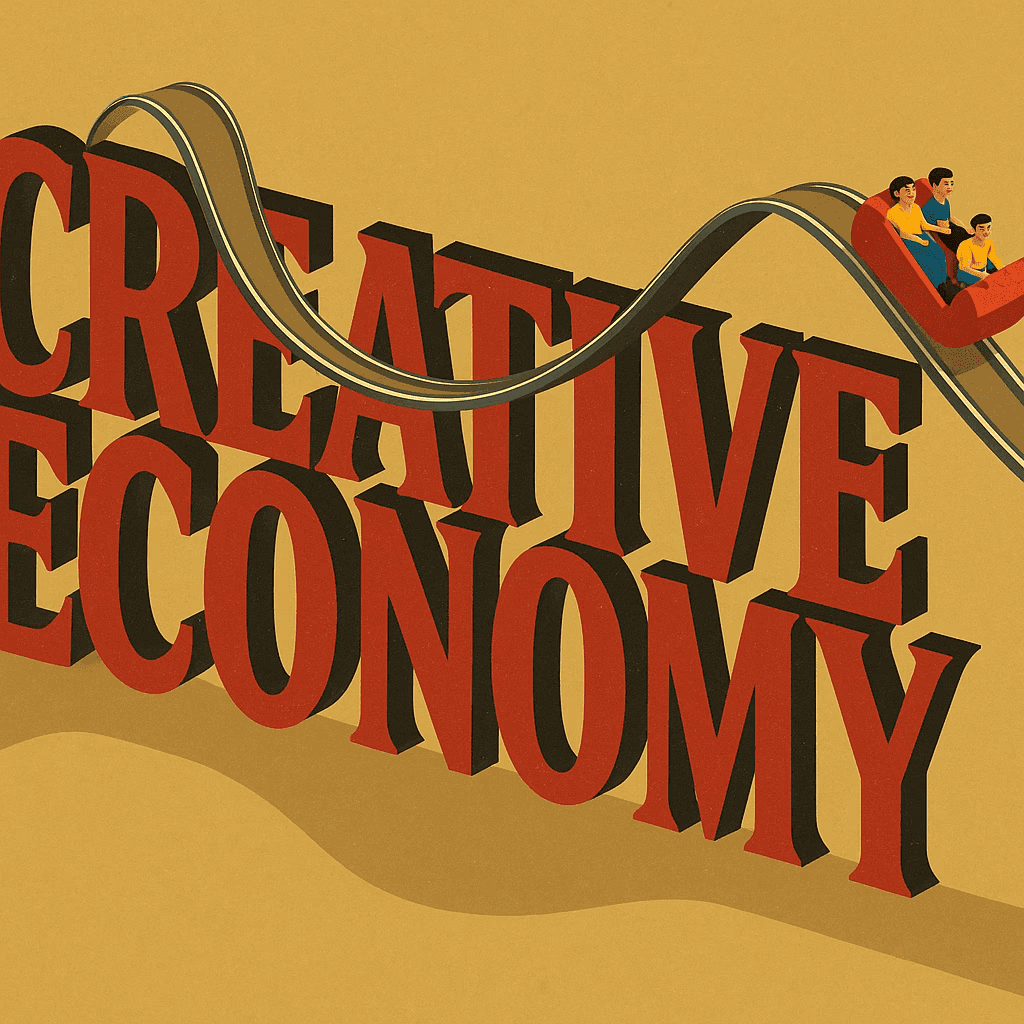
Nigeria's creative economy is experiencing a transformative surge, significantly influenced by its dynamic youth culture. This demographic (Millennials and GenZs), characterized by its adaptability and digital fluency is redefining brand marketing, engagement and exposure. For brands seeking to make their marks within this vibrant market, understanding how to integrate into youth-driven trends is important.
The Creative Economy: A Statistical Overview
The creative sector in Nigeria encompasses diverse industries, including film, music, fashion, and digital content creation. According to the National Bureau of Statistics, Nigeria’s film industry, Nollywood, is the second-largest globally by volume, contributing approximately 2.3% to the nation's GDP and generating about $660 million in 2021.
The music industry, a close second, particularly the Afrobeats genre, has seen exponential growth, with revenues reaching $53 million in 2020, making Nigeria the largest music market in Africa.
Despite these impressive figures, the overall contribution of the creative economy to Nigeria's GDP remains relatively modest. In 2022, the sector contributed just 1.2% to the GDP, which is lower compared to other African nations like Morocco (2.7%), South Africa (3.0%), and Egypt (4.3%).
Youth Culture: The Catalyst for Brand Affinity
With over 60% of Nigeria's population under the age of 25, the youth demographic wields substantial influence over market trends and brand relevance.
This generation is not only tech-savvy but also deeply entrenched in social media culture, which serve as primary channels for communication, entertainment, and information.
Social media has become a pivotal tool for activism and cultural expression among Nigerian youths. During significant movements, such as the #EndSARS protests, platforms like Twitter and Instagram were instrumental in mobilizing support and disseminating information. This digital activism underscores the potential for brands to engage authentically with social issues, thereby facilitating their relevance and connection with the youth.
Strategies for Brands: Aligning with Youth-Driven Trends
To effectively tap into Nigeria's burgeoning creative economy, brands should consider the following strategies:
Leverage Social Media trends and Influencer marketing: The power of social media has shown how easy it is to make or break a brand, hence using it the correct way to amplify your brand’s messages isn’t difficult—keep in mind to maintain authenticity in the process. Influencers bridge the gap between brands and the youth, making marketing messages more relatable and impactful.
Invest in Cultural Events and Initiatives: Sponsoring or participating in events like Lagos Fashion Week or music festivals not only boosts brand visibility but also demonstrates a commitment to supporting local talent and culture. Such involvement positions brands as integral parts of the cultural fabric.
Create Authentic and Relatable Content: Developing content that reflects the values, aspirations, and challenges of Nigerian youth fosters deeper connections. Authenticity in storytelling can significantly enhance brand loyalty and engagement.
Embrace The Diversity of Digital Platforms: Utilizing platforms like YouTube and TikTok, where young Nigerians actively engage, allows brands to reach wider audiences. Content creators on these platforms are redefining narratives and offering fresh avenues for brand collaborations.
Conclusion
Nigeria's creative economy presents a fertile ground for brands seeking to enhance their exposure and engagement. By understanding and adapting to the nuances of youth culture, brands can not only expand their reach but also contribute to the growth and dynamism of the creative sector. The synergy between youthful energy and brand strategy holds the promise of mutual growth and sustained relevance in an ever-evolving market landscape.