Memes as a Third Language
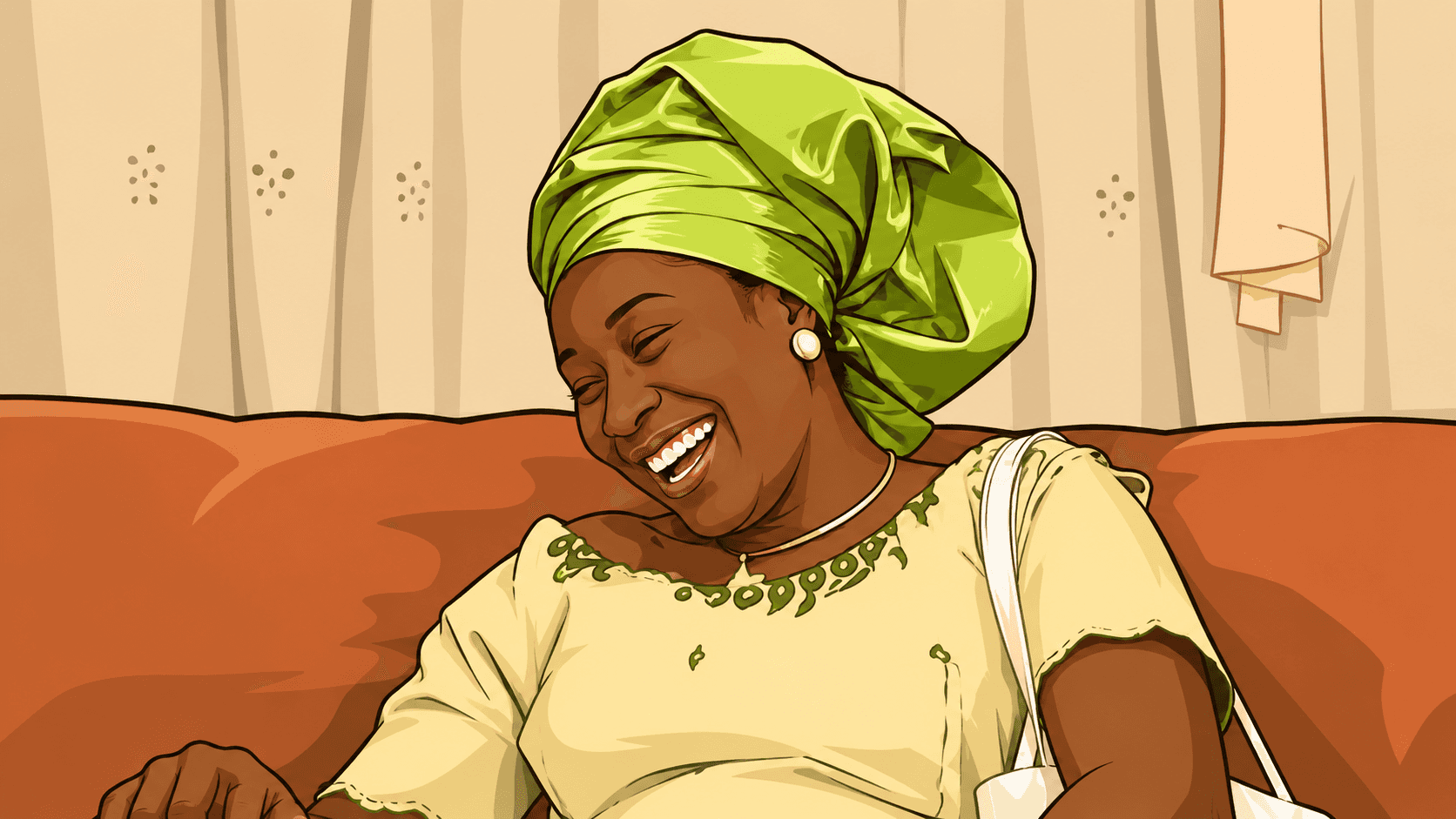
Somewhere between communication and culture, memes became their own language. Before emojis became universal, people used words. Now people send screenshots, reaction images, stickers, GIFs, or memes, and somehow everybody understands exactly what it means. A single image can communicate exhaustion, sarcasm, embarrassment, excitement, irony, or frustration faster than an entire paragraph ever could.
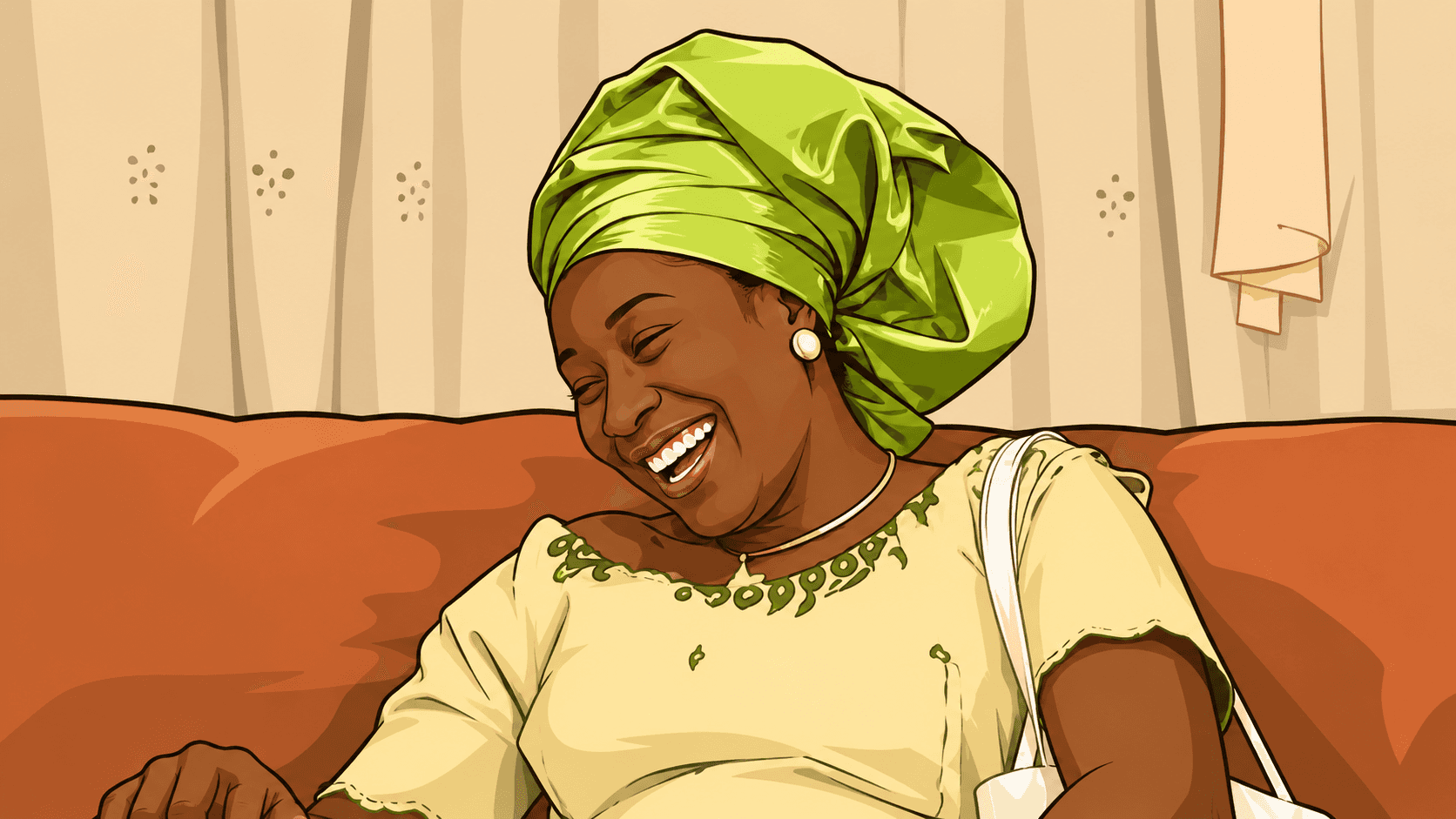
At first, memes were treated as disposable internet jokes. Funny images passed around on social media for quick laughs and short attention spans. But over time, memes evolved into something much bigger than entertainment. Today, they influence how people communicate online, how creators tell stories, and even how brands market themselves.
More Than Just Internet Humor
Language depends on shared understanding, context, symbolism, and timing. Memes do all four. A screenshot from a tv show, a reaction image from a skit, or a viral TikTok sound can instantly communicate a feeling without direct explanation. The audience already understands the emotional context behind it, which is exactly why memes spread so quickly.
People rarely send memes because they want to explain something logically. They send memes because it already explains the feeling for them. This is what makes meme culture powerful. It compresses emotion, commentary, and relatability into one instantly recognizable format.
In many ways, memes have become emotional shorthand for the internet.
Memes as Cultural Participation
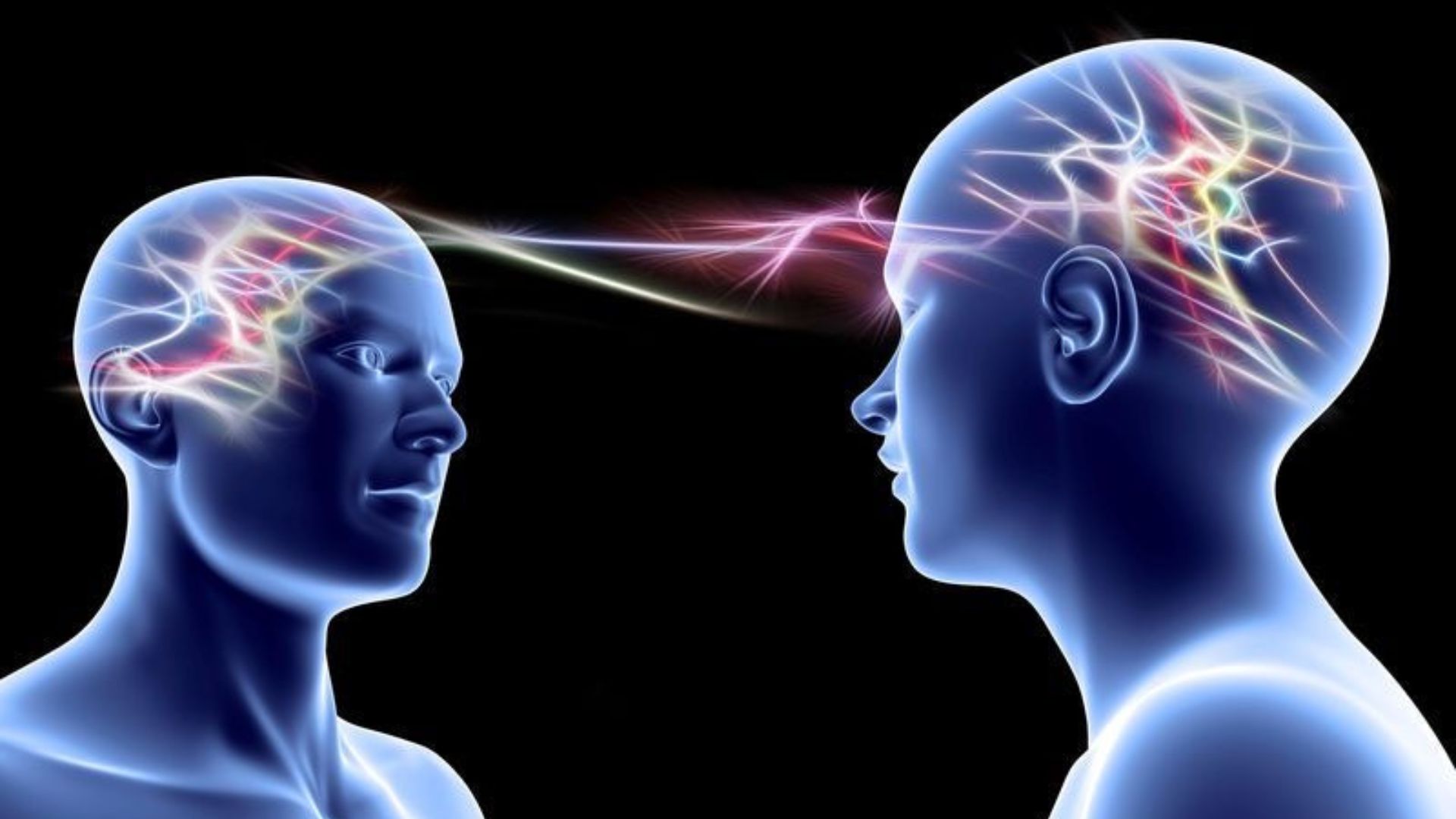
One of the reasons memes continue to dominate online culture is because they are participatory by nature.
Internet culture moves collaboratively. One person posts a joke. Another turns it into a reaction image. Someone edits it into a TikTok. A creator references it in a vlog. A brand uses it in a campaign. Within hours, thousands of people have reshaped the same idea into different formats.
This is also why timing matters so much. A meme is not just about humor. It is about understanding the moment, the audience, and the mood of the internet at a specific time. A good example of this happens almost every year during the Met Gala. While fashion brands naturally dominate the conversation, brands from completely unrelated industries also join in through memes, edits, commentary, and reaction posts.
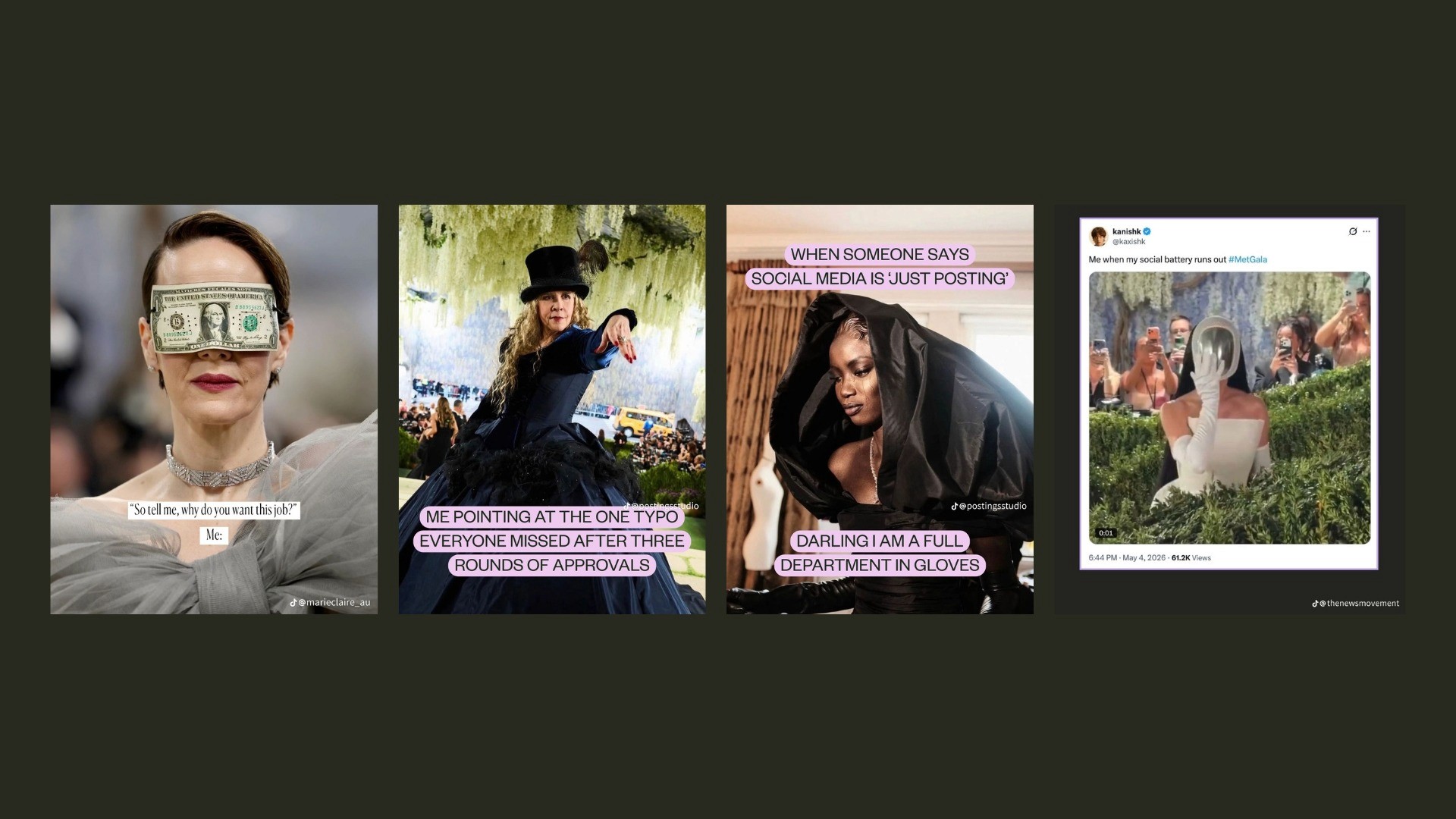
Food brands compare meals to outfits. Corporate brands react with screenshots and references. Suddenly, one cultural moment creates hundreds of different interpretations across the internet. That is part of what makes memes so powerful. They don’t belong to one industry, one audience, or even one meaning.
The Internet Now Creates Memes in Real Time
One of the most interesting parts of internet culture today is how quickly people turn moments into memes. A clip from a podcast, livestream, interview, reality show, or random TikTok can become a meme within minutes. Before the original moment has even fully settled, the internet has already remixed it into reaction videos, edits, captions, stitched content, and commentary.
We are now watching meme culture happen in real time.
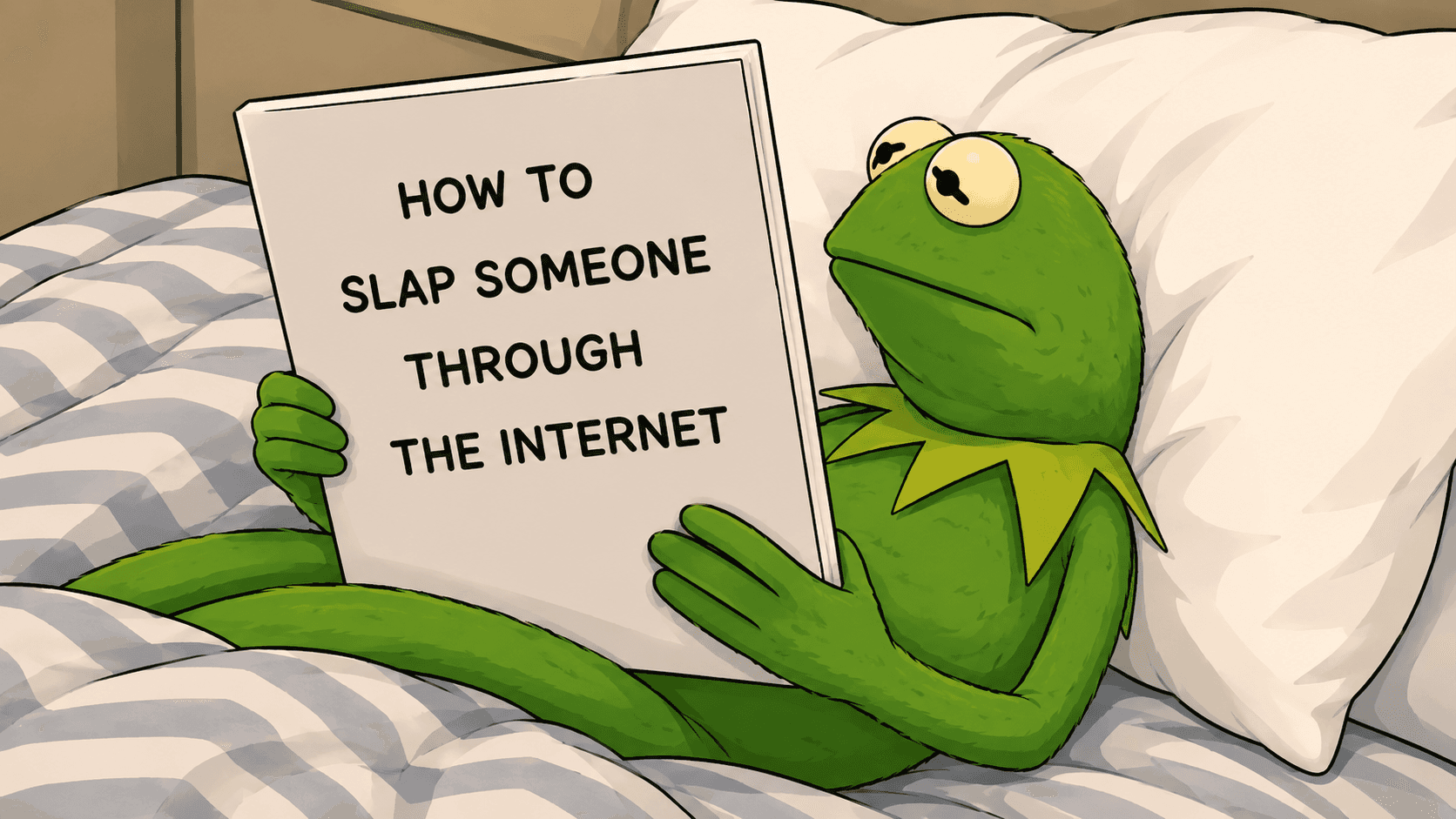
This has also changed the way creators edit content. Memes are no longer separate from storytelling; they are part of the editing language itself. Creators now use reaction images, awkward pauses, zoom-ins, viral sounds, niche internet references, and meme captions to emphasize emotion or strengthen a point. Sometimes a quick reaction image says more than narration ever could.
The internet increasingly communicates through references, and audiences understand them instantly. Brands did not start using memes simply because memes were funny. They adapted because audiences changed.
Internet-native audiences tend to respond more to relatability, cultural awareness, and participation than overly polished corporate messaging. Traditional advertising often feels distant online, while meme-based communication feels conversational and familiar. This shift forced brands to rethink how they communicate.
When Meme Marketing Feels Forced
Of course, not every brand understands meme culture naturally. The internet can immediately tell when a brand is trying too hard to sound online. Overexplaining jokes, or forcing internet slang into campaigns often creates the opposite effect.
Instead of feeling relatable, the brand starts to feel performative. Culture cannot be copied mechanically. People can tell the difference between brands that genuinely understand internet behaviour and brands that are simply chasing engagement.
That is also why brands increasingly need creative teams and agencies that actually understand culture as it evolves. At Thompsn Forge, we don’t just focus on making content look good; we focus on understanding the communities, behaviours, humour, and conversations surrounding the audience itself.
So, Are Memes the Future of Communication?
Maybe not entirely, but their influence on communication is already impossible to ignore. Memes affect how people react, joke, market, edit videos, express emotion, tell stories, and participate online. They shape the tone of internet culture and increasingly influence the way brands interact with audiences.
What once looked like unserious internet humour has become part of how the digital world communicates. At this point, memes are no longer just jokes. They are part of how the internet speaks.