From Search to Social: Why Social Media Is Now the Primary Discovery Channel
Once upon a time, Google was the first stop for discovering anything. If you were looking for the latest gadgets or where to grab lunch, the search engine platform came to mind. Today, that’s changing fast. Social media isn’t just where people scroll; it’s where they discover new brands, products, and experiences often before they ever think to ‘search’.
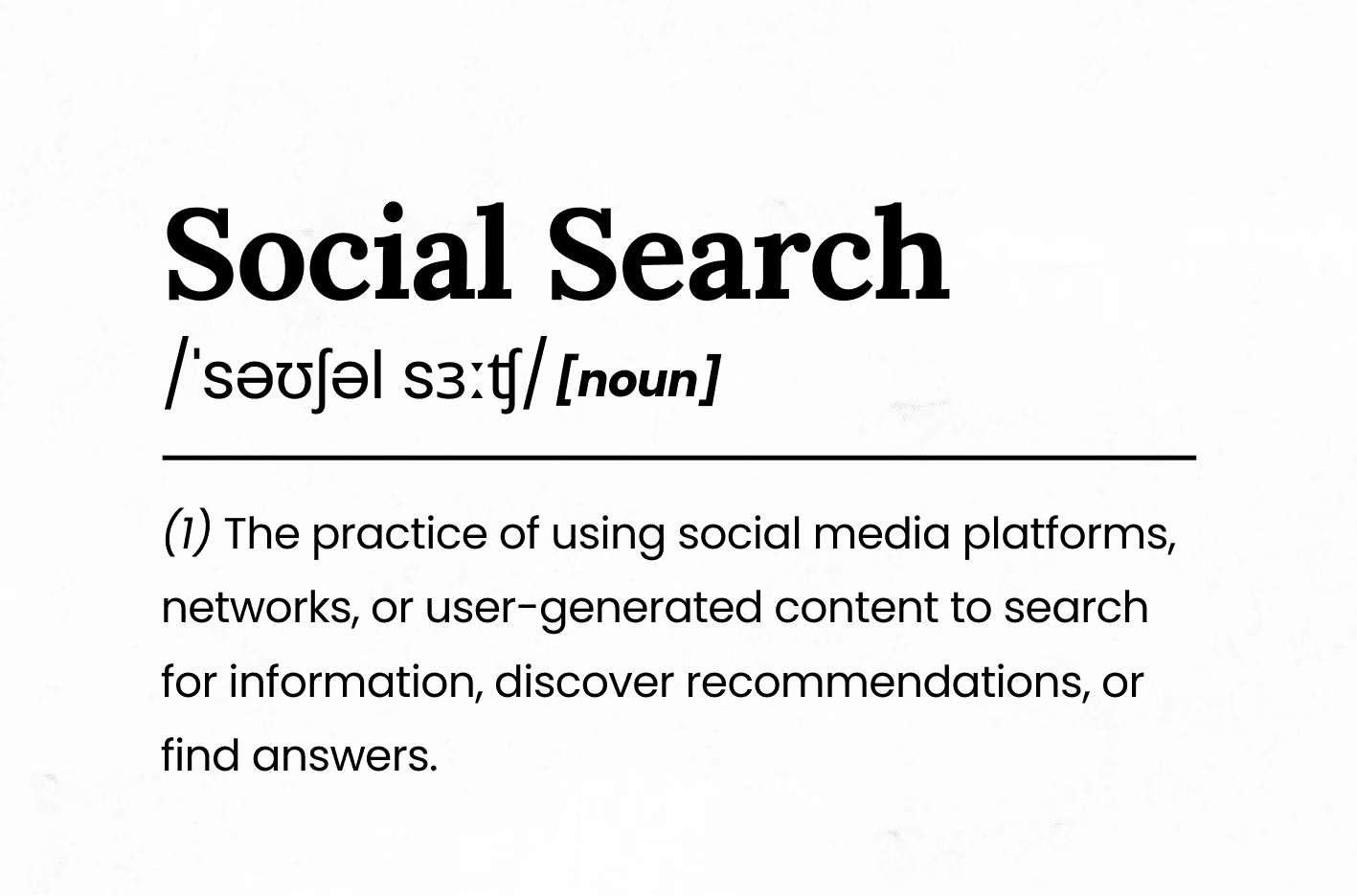
The digital discovery landscape is shifting, and for marketers, that means rethinking how we reach audiences. Social media ads aren’t just a nice-to-have anymore; they’ve become a primary gateway for discovery. This shift has given rise to social search, a behavior where people retrieve and explore content on platforms like Instagram, Facebook, LinkedIn, TikTok, and Pinterest, searching user-generated posts, videos, and images instead of relying solely on traditional search engines.
As consumers increasingly discover brands through social channels, people are now asking a big question: can social search replace Google search?
The Shift: Why Social Media Became the New Discovery Engine
People aren’t just looking for products anymore. They’re looking for inspiration, entertainment, and context. Social media delivers all three, often in the same scroll. Gen Z and Millennials frequently rely on TikTok, Instagram, and YouTube to discover new brands rather than turning to Google. Social search blends the power of traditional search algorithms with rich, user-generated content, creating feeds that feel personal, curated, and engaging.
Discovery on social media is no longer passive. It’s intentional, guided by algorithms that prioritize content based on relevance, engagement, and personal interests. What this means for marketers is clear: if your brand isn’t part of these discovery-driven feeds, you’re invisible to the actual audiences you want to reach.

Strategic Implications for Marketers
With social media now emerging as the primary channel for discovery, it’s time to start thinking about how your marketing approach should adapt. There are a few key areas to consider if you want your brand to be found, remembered, and engaged with in this new landscape:
Reassess budgets. Are you still putting most of your spend into traditional search campaigns, or are you allocating enough to campaigns designed specifically for discovery on social platforms? Social search requires content to appear in the right place, at the right time, in a format that feels native to the platform. You need to allocate more spend to discovery-driven social campaigns rather than focusing solely on search ads.
Prioritize storytelling. Ads need to inspire and connect, not just sell. Beyond budgets, your content has to do more than just exist. It must build authority and inspire trust. Discovery thrives on authenticity. Users are drawn to content that feels helpful, entertaining, or inspiring.
Leverage creators. Authentic influencer partnerships amplify discovery in ways branded content alone can’t. Collaborating with creators, whether influencers, micro-creators, or brand advocates, amplifies this effect. Discovery is social at its core; it spreads through genuine engagement, recommendations, and stories that resonate.
Optimize for algorithms. You need to work with the algorithms rather than against them. Social feeds are carefully curated, and understanding what content performs best on each platform ensures your brand is seen by the right people at the right time. Social search isn’t accidental. It’s intentional, strategic, and human, and your marketing approach should be too. Target audiences contextually and embrace feed-friendly formats instead of relying on keywords alone.
Final Words
The era of discovery through search is fading. Today, social media ads are the new gateway for how audiences find and interact with brands.
For marketers, the question isn’t whether to invest in social ads, it’s how to craft ads designed for discovery, engagement, and connection. If your campaigns aren’t inspiring discovery yet, it might be time to rethink the scroll.
Are your social media ads designed to be discovered, or just seen?